Left or Right? Don’t forget common sense in data-driven decisions
It started as a harmless detail: “Where should the configuration panel live — left or right?” In customer demos and onboarding calls, the room split. Some admins read and prep from left to right and wanted the controls on the left. Others, steeped in Atlassian dashboards, said the right side felt natural and kept the report center-stage. Neither group was wrong – they were anchored in different habits.
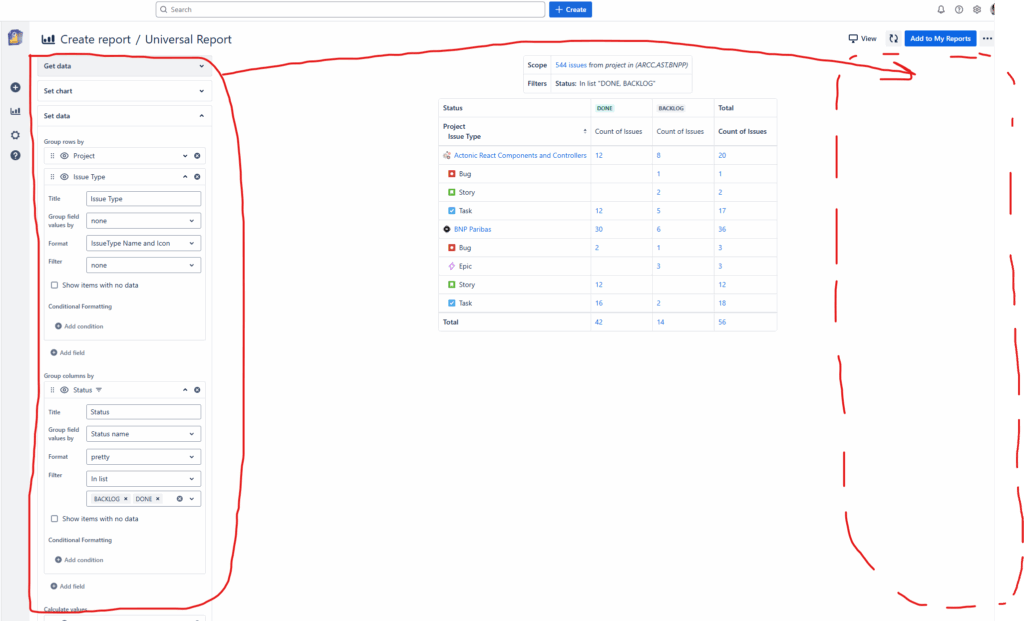
The Customer explains us the idea of moving the Report configuration panel

The mockup we first created in Figma to look into the idea
After the initial assessment of the idea during the morning stand up, a question was raised – what to do next?
Act I. Of course we considered A/B testing
We’re a data-first team, so the obvious thought was: run a test. Frankly, most teams do the same when a UI decision is contentious:
77 % of companies run A/B tests on their website to evaluate design changes.
But the more we mapped the scenario, the more we recognized a common outcome: A/B tests are powerful for learning, yet decisive “wins” are rare. Preference isn’t a KPI; it’s muscle memory. Forcing a single layout would only shift frustration from one camp to the other.
Only about 1 out of 8 A/B tests produces a significant outcome (i.e. strong measurable difference).
Act II. The cost of waiting vs. the value of momentum
Well-run tests need time. A full cycle, and a buffer, so randomness doesn’t fool you. For the left-versus-right debate, that delay felt like a tax on everyone’s productivity. We weren’t debating a performance bottleneck; we were negotiating two valid preferences.
Many A/B test frameworks recommend test durations of 7 + 1 days or 14 + 1 days (a week or two plus a buffer day) to account for anomalies.
Act III. The simple decision
Principle: Don’t make things complex where you can keep them easy. We shipped a single toggle: place the configuration panel on the Left or the Right. We remember your choice, and we mirror shortcuts so nothing else changes. Two clicks; permanent relief.
- No cognitive tax: users stop thinking about layout and focus on insights.
- No losers: both habits are respected; the debate ends at the user’s fingertips.
- No bloat: one component, mirrored presentation – not two code paths.
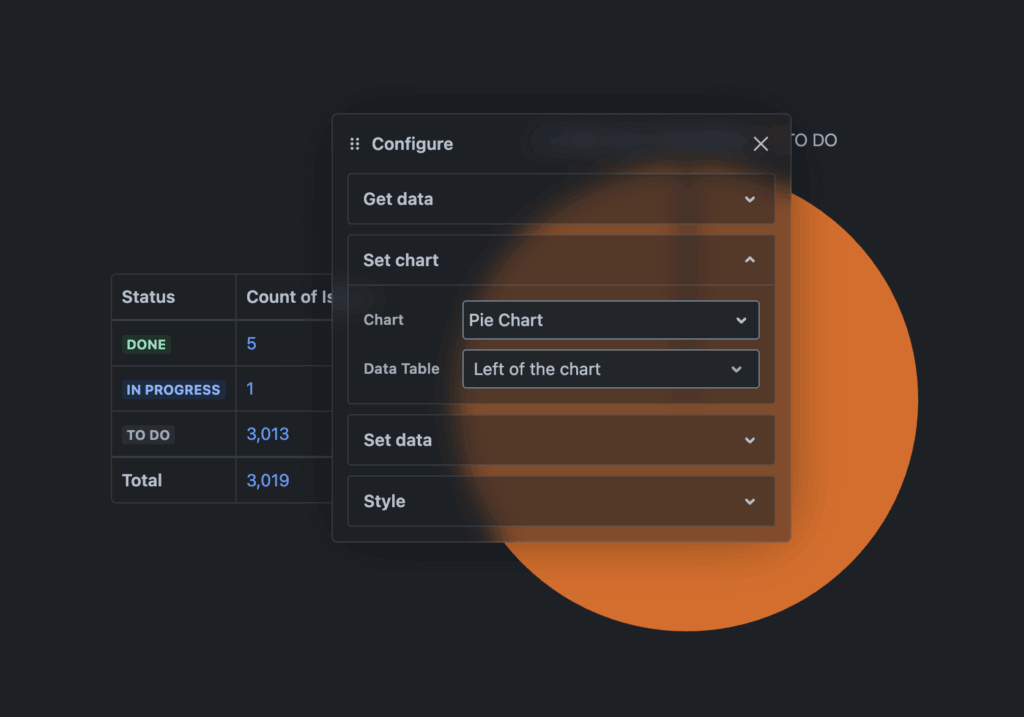
The Rise of the free-placement Configuration Panel
Aftermath: What changed?
Everyone was happy. Teams picked their side. The “winner” wasn’t left or right – it was momentum. Sometimes the most data-respectful move is acknowledging that preference is the data, and designing for it without delay.

 Request